

Frankincense, Sacra
Frankincense, Sacra
Low stock: 5 left
Couldn't load pickup availability
Product Details
Botanical Name: Boswellia sacraFragrance Profile*: Balsamic, Resinous, Spicy, Fresh
Origin: Oman
Cultivation: conventional
Manufacturing Method: distilled
Part of Plant: Resin
Main Chemotypes: alpha- & beta-Pinene, Limonene, Sabinene, Myrcene
Key Ingredients: Frankincense Oil
INCI: Boswellia Sacra Oil
Article No. 3021-5
*Learn more about how fragrance profiles are determined
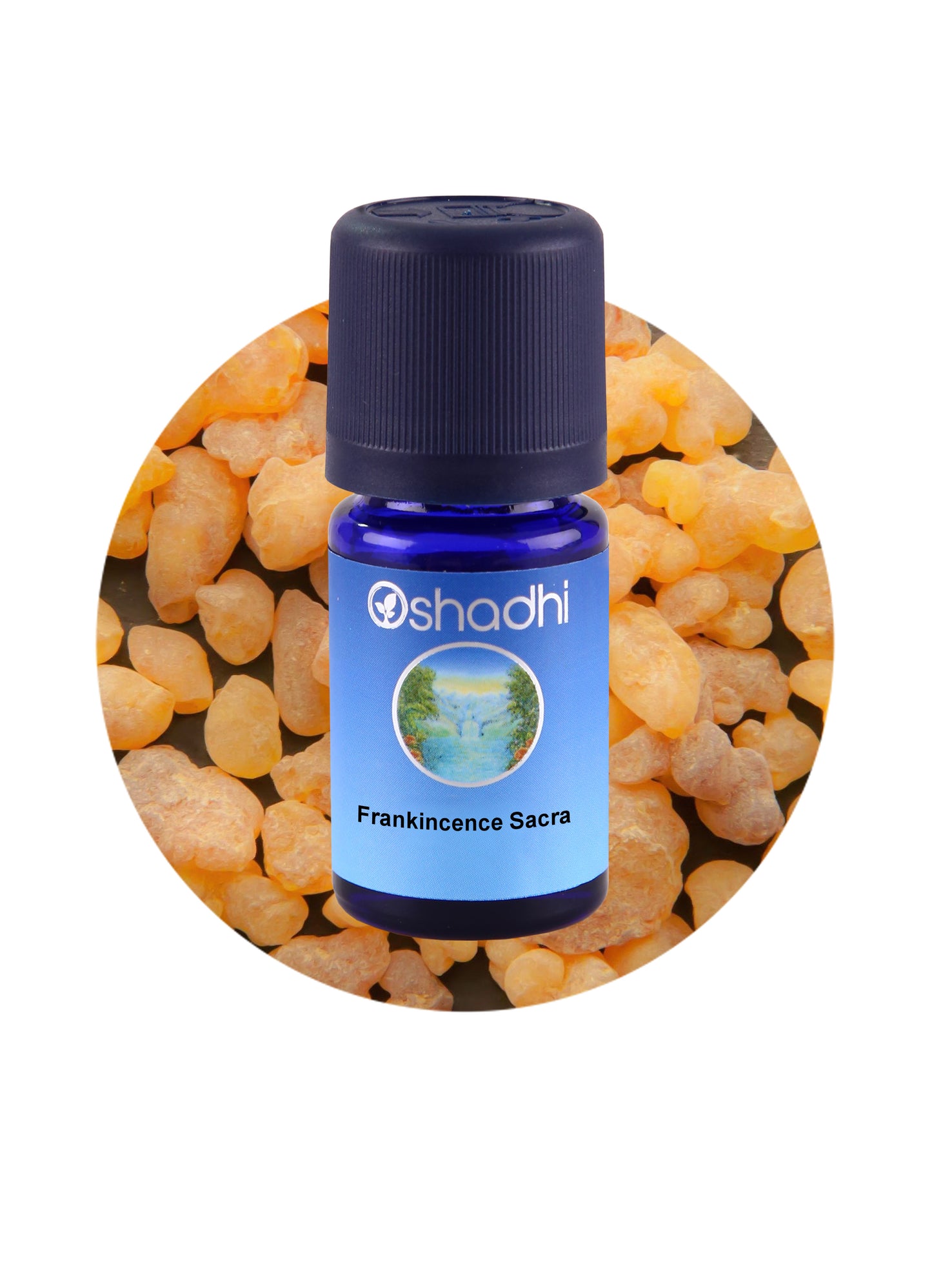
The original frankincense.
Boswellia sacra, from the southern coast of Arabia. Monsoon-fed wadis behind the Dhofar mountains. The trees grow in a narrow band — southern Oman, parts of Yemen, a sliver of Somalia — and do not grow well outside this terroir. This is the geography Pliny meant when he wrote about Arabia Felix, the fortunate Arabia. Fortunate because of frankincense.
Most frankincense sold today is Boswellia carterii — the Somali species that became commercially dominant through 19th- and 20th-century trade routes. Sacra is the older lineage. When the classical sources wrote about frankincense, they meant Sacra. The ancient Egyptian texts called it the substance conducive to a divine state. Frankincense was found in Tutankhamun's tomb. The Magi carried it. Cathedrals burned it. For three thousand years this resin has been the material of consecration.
The chemistry.
Batch (1031131, Bühl analysis) carries 70% α-pinene — the dry, resinous, pine-forest signature that distinguishes Sacra from any other frankincense. Six percent limonene gives the citrus-bright lift. Sabinene, myrcene, and camphene supply the supporting structure. Bright at the top. Dry through the heart. Austere in the dry-down. Carterii rounds and softens. Sacra holds its line.
The harvest.
Tapping. The bark is scored, the resin bleeds and hardens in the sun over weeks, harvesters work small family groves passed down generations. Trees take eight to ten years to reach tapping age. Three taps a year. The third gives the best resin. Then the tree rests for years before the next cycle. One tree yields perhaps ten to twenty kilograms of resin annually at peak — and yields decline if the cycle is rushed. This is the reason Sacra costs what it costs. It cannot be scaled.
Use.
Diffusion for contemplation — the smoke and the attention rise together. Pairs with sandalwood, vetiver, cedar.
Breath practice — the resinous-pinene profile suits morning sitting or evening winding-down.
In skincare blends — traditional use on mature skin. Blends well with rosehip and helichrysum carriers.
Blends with: Sandalwood · Cedar Atlas · Vetiver · Myrrh · Rose · Sacred Lotus
General Information: Keep away from heat and sunlight. Keep out of reach of children. Avoid contact with eyes and mucous membranes.
How to use Essential Oils
Find out more about how Essential Oils can be used and the different application methods:
https://oshadhi.com/pages/how-to-use-essential-oils