

Cinnamon Cassia, China
Cinnamon Cassia, China
18 in stock
Couldn't load pickup availability
Product No. 3140
Cinnamomum cassia
| Origin | China |
| Plant part | Twigs/Leaves |
| Cultivation | Wild |
| Extraction | Distilled |
| Main constituents | Cinnamaldehyde, Cinnamyl acetate, Coumarin, Benzaldehyde |
| Aroma | Earthy, Spicy, Sweet |
| Ingredients (INCI) | Cinnamomum Cassia Leaf Oil |
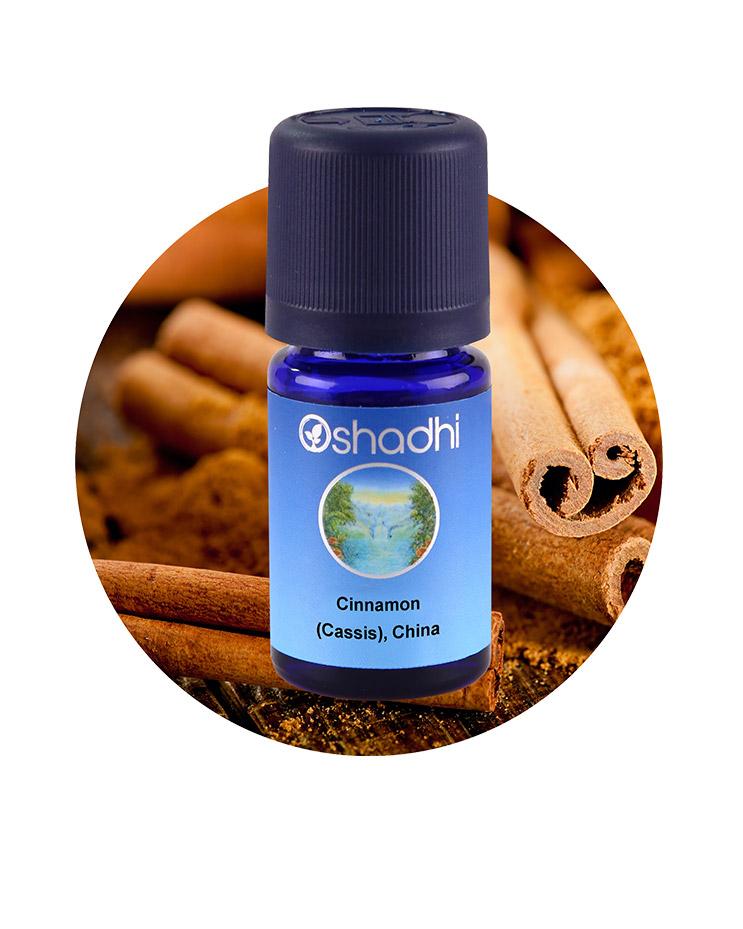
Much of what is sold as cinnamon, as spice or oil, is cassia. The two are separate species. True cinnamon is Cinnamomum verum of Sri Lanka. Cassia is Cinnamomum cassia, native to southern China, and its oil is distilled from leaves and twigs rather than bark.
01 · Origin
A tall evergreen of the laurel family, Lauraceae. This oil comes from wild-harvested twigs and leaves in China, where cassia has been cultivated and traded for centuries.
02 · Chemistry
Cinnamaldehyde dominates, as it does in cinnamon bark oil. Cinnamyl acetate, coumarin and benzaldehyde follow. Coumarin is the clearest marker separating cassia from Ceylon cinnamon, where it occurs only in traces. The aldehyde load is high, and the oil is used at very low dilution.
03 · In Practice
Hot, sweet and spicy, with a drier, harsher edge than cinnamon bark. A middle note. Diffusion, winter blends and natural perfumery in small proportion. Direct comparison with Cinnamon Bark (No. 3110) sets out the difference between the two species clearly. Blends with orange, clove bud, ginger, cardamom, frankincense, vanilla and nutmeg.
General information: For external use only. Dilute before applying to skin. Keep away from heat and sunlight. Keep out of reach of children. Avoid contact with eyes and mucous membranes.
How to use Essential Oils
Find out more about how Essential Oils can be used and the different application methods:
https://oshadhi.com/pages/how-to-use-essential-oils